


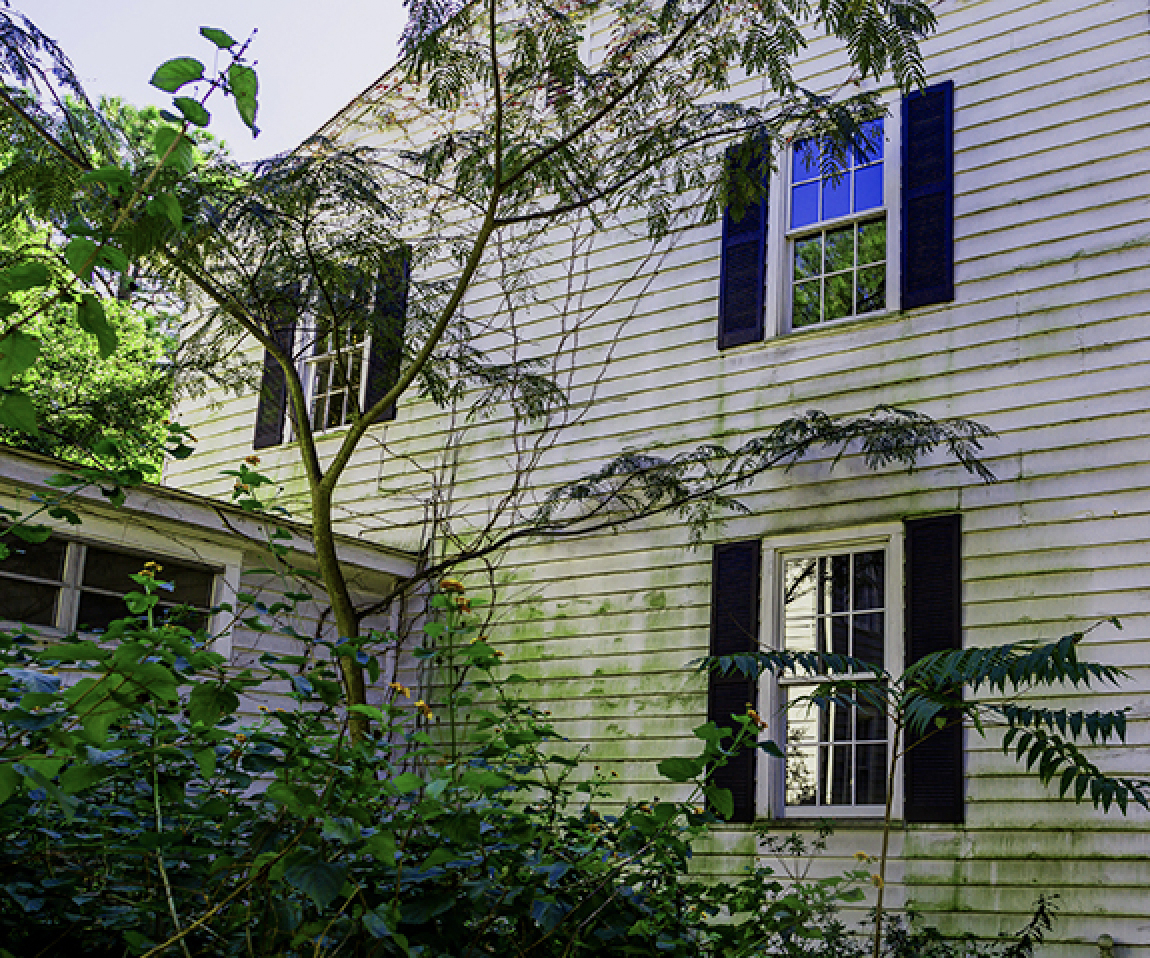
If you own a weatherboard home in the Blue Mountains, you may have noticed green, black, grey or discoloured patches appearing on the exterior of your house. While these growths can look similar, they can actually be mould, algae or lichen, each of which behaves differently on painted weatherboards. Understanding the difference is important when it comes to cleaning, preparation and repainting your home.
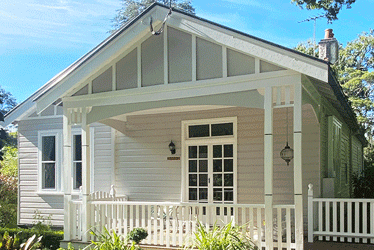
This heritage listed property was mould spotted. The mould was killed at the spore with a treatment prior to preparation and painting.
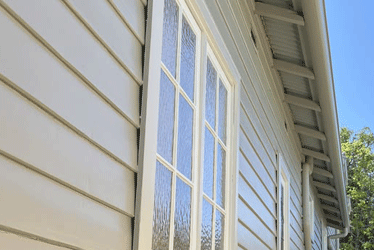
Lichen on weatherboards can be recognised by its crusty, flaky or slightly raised appearance. It may be grey, green, yellowish or pale in colour and can become firmly established on exterior surfaces.
Lichen is a partnership between a fungus and a photosynthetic organism, allowing it to survive on exposed surfaces where moisture is available. Established lichen can be more difficult to remove than simple surface staining because it can attach itself to small imperfections and deteriorated areas of paint.
Care needs to be taken when removing lichen from older weatherboards. Excessive scraping or aggressive pressure cleaning can damage timber or an already weakened paint surface.
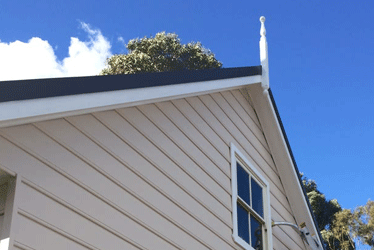
The Blue Mountains climate can create ideal conditions for organic growth on exterior surfaces. Cool temperatures, rainfall, humidity, shade and surrounding vegetation can all contribute to weatherboards remaining damp for extended periods.
This is particularly important for older weatherboard cottages where previous paint coatings may already be weathered or damaged.
Cracking, peeling paint and exposed timber can allow moisture to become trapped or absorbed into the surface, increasing the likelihood of further deterioration.
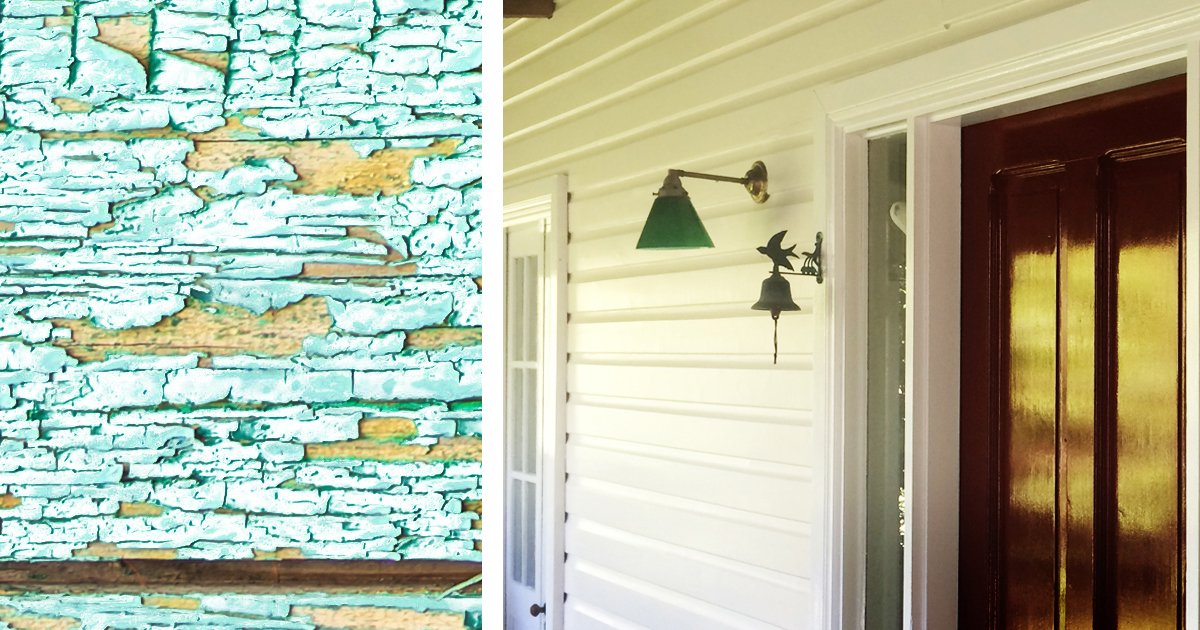
One of the first signs that repainting may be required is noticeable fading. Strong ultraviolet rays gradually break down paint pigments, causing colours to lose their vibrancy. Dark colours are especially prone to fading, while lighter shades may develop an uneven or washed-out appearance. Although fading is primarily an aesthetic issue, it often indicates that the paint's protective qualities are also declining.
Removing mould, algae and lichen is more than simply making a house look cleaner. Proper preparation helps ensure that the existing surface is suitable for repainting and allows the new coating system to perform as intended.
Before painting, weatherboards should be assessed for existing mould, algae, lichen, peeling coatings, surface deterioration and areas where moisture may be entering or being retained.
Organic growth should be appropriately treated and removed, followed by thorough preparation and drying before the new paint system is applied.
For Blue Mountains weatherboard homes, good preparation is particularly important.
A quality exterior finish begins long before the first coat of paint is applied. Identifying the cause of organic growth, properly preparing the weatherboards and selecting an appropriate exterior coating can help create a cleaner, more durable and longer-lasting result.

Rather than waiting for obvious signs of failure, homeowners should inspect weatherboards at least once each year.
Annual inspections allow minor issues to be identified and repaired before they develop into larger problems.
Particular attention should be paid to:
• South-facing walls that receive less sunlight
• Areas near gutters and downpipes
• Window and door frames
• Lower weatherboards close to the ground
• Sections exposed to prevailing weather
Book a Health Check Inspection for Your Weatherboards→
More House Painting Articles →
Is the Problem With Your Paint? →
Get a Quote from an Experienced Exterior House Painter →
